How Packaging Design Impacts Brand Perception and Loyalty
When consumers walk down a shopping aisle, they are greeted by thousands of products competing for their attention. The packaging of these products serves as the primary point of contact between a brand and a potential buyer. It acts as a silent salesperson, conveying the values, quality, and identity of the product inside. Good packaging design captures interest immediately, communicating a message before a single word is read. This initial interaction plays a crucial role in shaping how consumers perceive a brand and ultimately decides whether they will make a purchase or move on to a competitor.
The psychological impact of visual elements
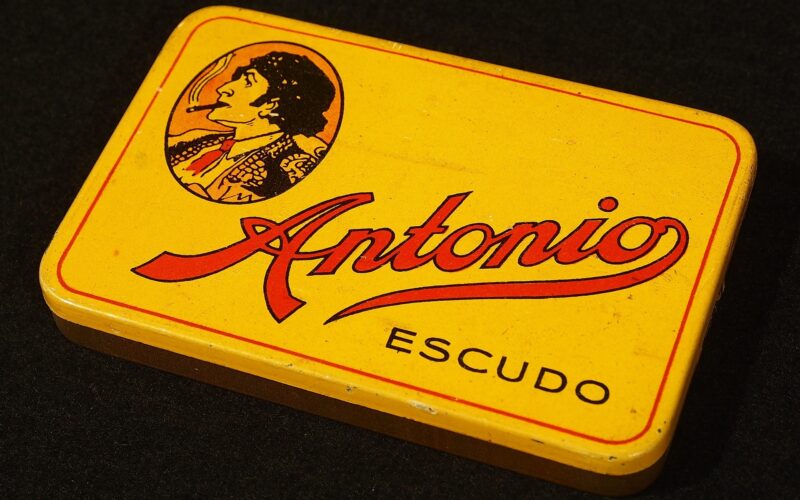
Visual elements such as colour, typography, and imagery hold immense psychological power in shaping consumer perception. Different colours evoke specific emotional responses. Blue often communicates trust and reliability, making it a popular choice for health and technology brands, while green suggests natural ingredients and environmental responsibility. Typography also plays a vital part in this visual dialogue. A sleek, minimalist font might suggest a premium, modern product, whereas playful, rounded letters could appeal to a younger demographic. By carefully aligning these visual cues with the core identity of the product, companies can create an immediate, subconscious connection with their target audience.
Materials and the perception of value
The tactile experience of holding a product is just as important as its visual appeal. The materials chosen for packaging significantly influence how consumers judge the quality of the item inside. Heavy, textured paper or frosted glass often feels luxurious, prompting consumers to associate the brand with high-end craftsmanship. Conversely, flimsy or easily damaged materials can detract from the perceived value, regardless of the actual quality of the product. Brands that invest in sturdy, high-quality packaging signal to their customers that they care about the entire product experience, thereby elevating the overall brand image in the mind of the consumer.
The rise of sustainable packaging
In recent years, the shift towards environmentally friendly packaging has fundamentally altered how brands are perceived. Consumers are increasingly aware of the environmental impact of their purchases and actively favour companies that demonstrate a commitment to sustainability. Packaging made from recycled materials, biodegradable plastics, or easily compostable elements shows that a brand is socially responsible. This commitment goes beyond mere aesthetics, tapping into the ethical values of the buyer. Brands that transparently communicate their sustainability efforts through their packaging design often see a notable increase in customer trust and long-term loyalty, as buyers feel their own values are reflected in their purchasing choices.
Creating a memorable unboxing experience
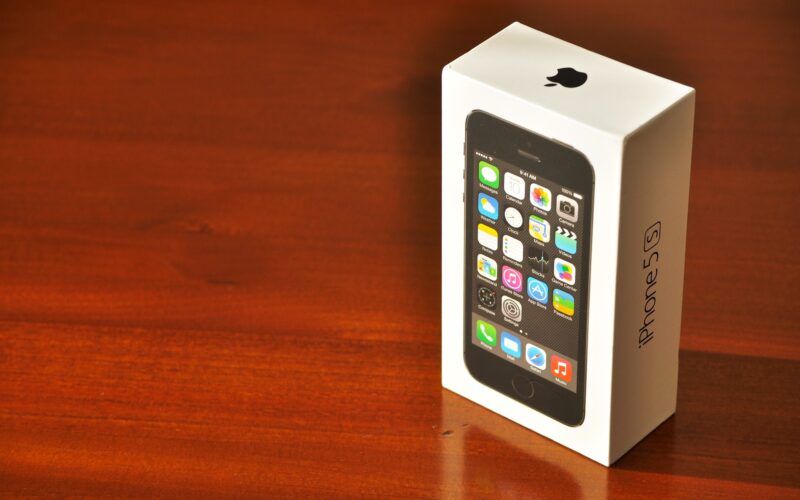
The journey of packaging does not end once the product is purchased; the unboxing experience has become a critical component of brand loyalty. In the era of social media, consumers frequently share their unboxing moments online, turning a private experience into a public endorsement. Packaging that is difficult to open or excessively layered with plastic can frustrate customers and tarnish their perception. On the other hand, a thoughtfully designed unboxing process that includes personalised notes, elegant tissue paper, or clever structural design turns a simple delivery into an exciting event. This attention to detail delights the consumer and fosters a strong emotional connection with the brand.
Building lasting customer loyalty
Ultimately, effective packaging design is an ongoing strategy for building and maintaining customer loyalty. When a brand consistently delivers a superior packaging experience, it reinforces the positive associations formed during the initial purchase. Consumers learn to recognise the distinctive shapes, colours, and textures of their favourite brands, creating a sense of familiarity and comfort. To maintain this loyalty, businesses must continuously evaluate and refine their packaging designs to ensure they meet evolving consumer expectations and market trends. By treating packaging as a core element of the overall product experience, brands can secure a lasting place in the hearts and minds of their audience.